It takes about 18 hours of nonstop driving to get from Antananarivo to Manakara in Madagascar—a roughly 360-mile journey. The roads are hair-raising and dangerous, with heavily laden trucks in questionable condition dominating the highways and paying little regard to smaller vehicles. I have driven to and from Manakara twice, and each trip has been exhausting. Fortunately, we have Ilyaas Akberaly, a generous businessman who owns a six-seater jet. He often makes it available at half the operating cost and, on occasion, even donates the flights entirely. What would otherwise be an 18-hour ordeal becomes a comfortable one-hour journey.
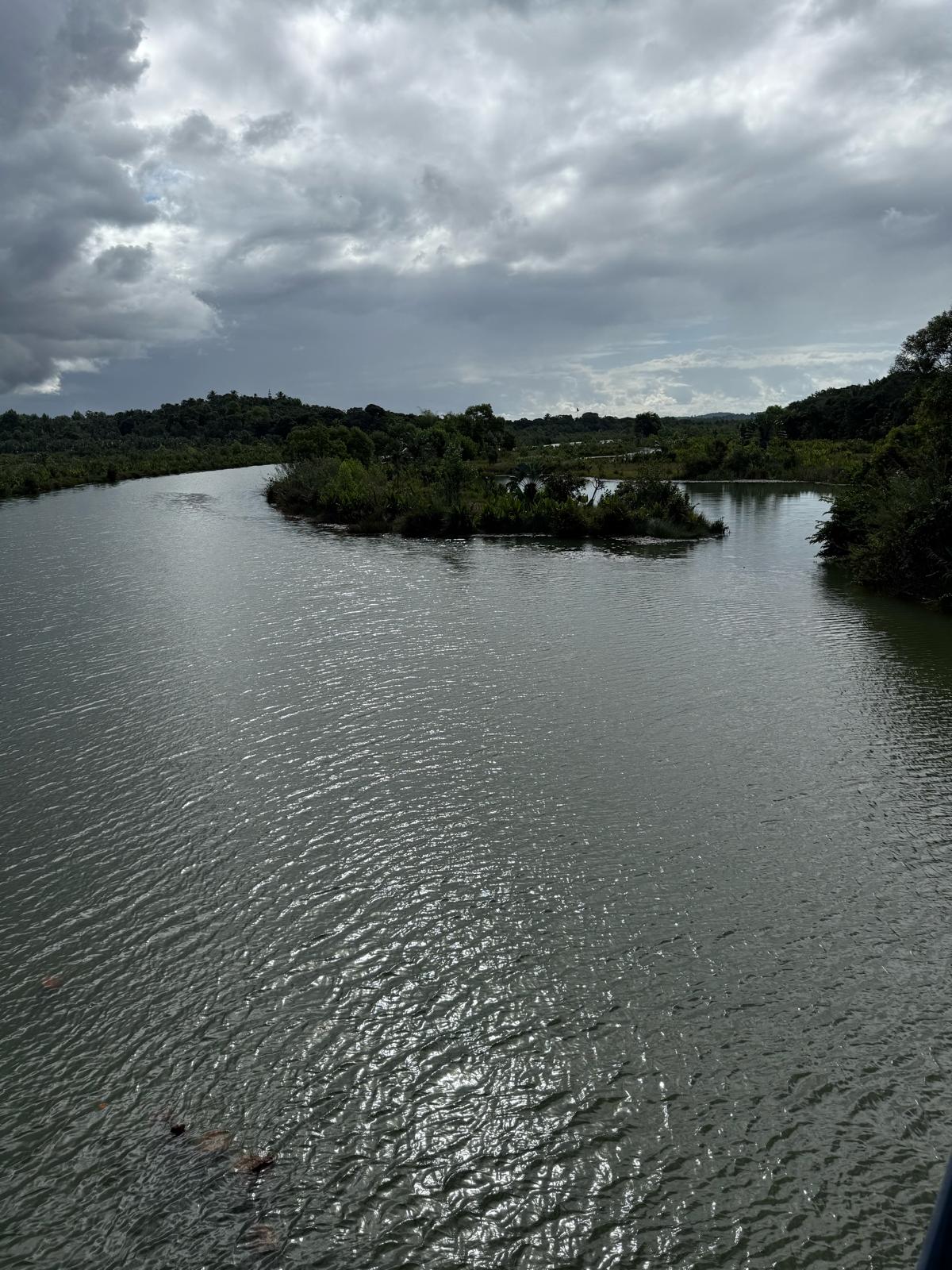
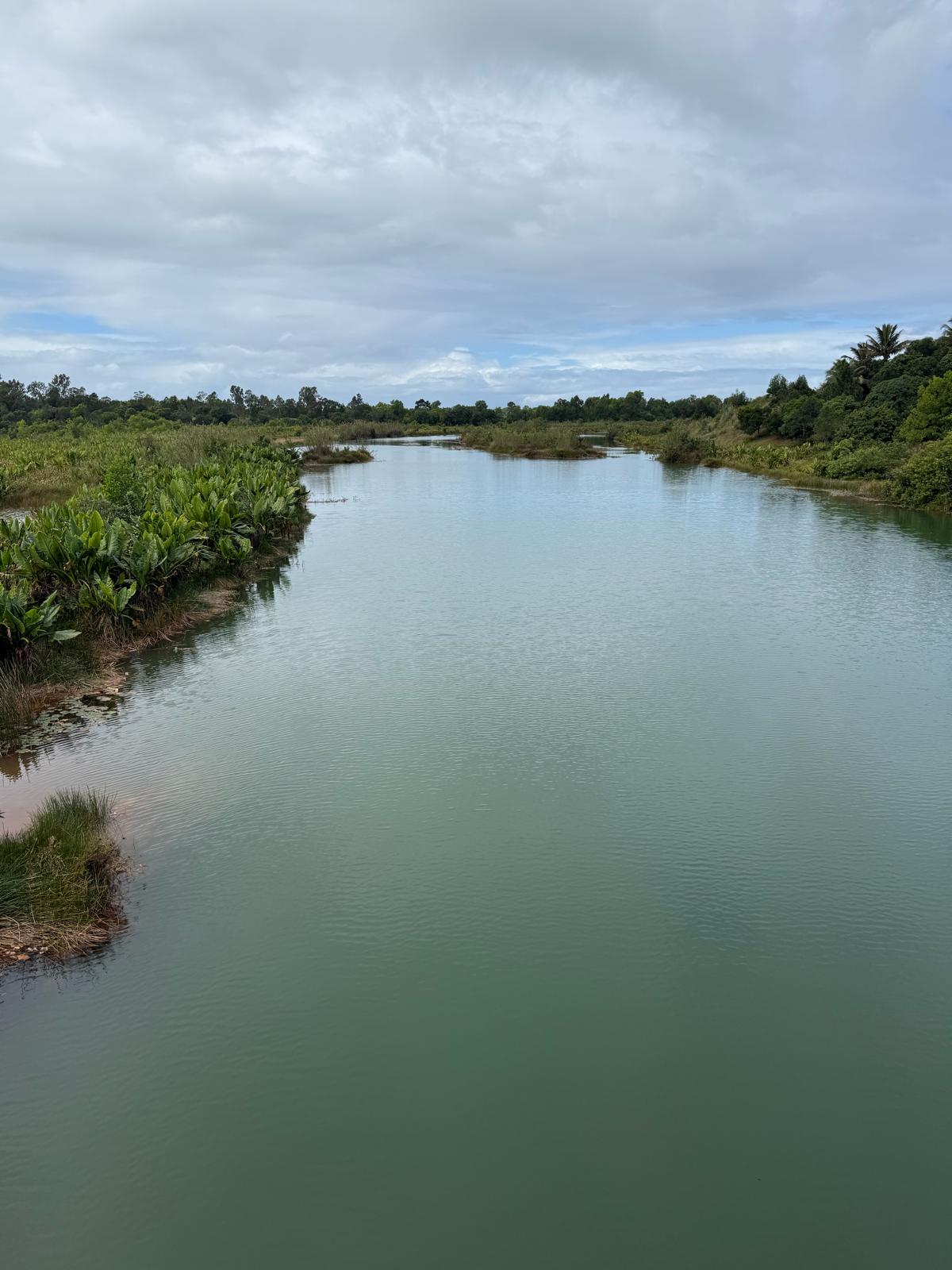
Manakara is a dirt-poor, gritty town on Madagascar’s southeastern coast, home to subsistence farmers who grow rice and bananas on small plots. Despite the poverty, the surrounding countryside is breathtaking—lush, green, and serene.
I have come to spend seven days overseeing the teething phase of the newly commissioned Baneen Maternity Clinic, funded by CAI donors. The goal is to ensure that expectant mothers in Manakara can deliver their babies safely in a modern facility, cared for by qualified and compassionate medical professionals. The clinic has made an encouraging start. Babies have already been born here, prenatal and postnatal care is underway, and a cesarean section has been successfully performed. This is particularly remarkable given that the clinic has no connection to the electrical grid and operates entirely on solar power, with a generator used during surgery.
I sleep in a modest yet comfortable guesthouse at the FCRA–CAI partners’ compound in Manakara. Next door is the school, built through the generosity of CAI donors, where more than 300 children from impoverished farming communities now have access to education in a modern learning environment. Our school in Manakara is unmatched.
My days are spent at the maternity clinic, training staff and refining operational systems and compliance reporting. Most members of the local community speak Malagasy and a little French, so my interactions with them are limited. The medical staff is professionally trained in French, and the clinic administrator and senior doctor also speak passable English, which makes communication much easier.
As these are the solemn days of Muharram, I drive an hour to Secoanna each evening to attend the commemorative lectures. Although the lectures are delivered entirely in Malagasy, I find the experience deeply refreshing. The congregation, numbering more than 5,000, walks for miles through the jungle to attend.
The atmosphere is simple and sincere, free of the bizarre rituals influenced by Khoja, Indian, Pakistani, Iranian, or Iraqi traditions—at least for now. The focus remains on Karbala’s timeless lessons: sacrifice, steadfastness, justice, and the purification of our inner selves through their remembrance. There are no alams, taboots, saaf maatam, juloos, zuljana, or senseless bloodletting.
Every day, three cows, twenty goats, and 20 50kg bags of rice are prepared to feed the attendees. It warms my heart to know that this niyaaz reaches those who genuinely need it—people for whom animal protein is a rare luxury.
On the day of Ashura, a baby girl is born at the Baneen Maternity Clinic. Her delighted parents promptly name her Ashoora.
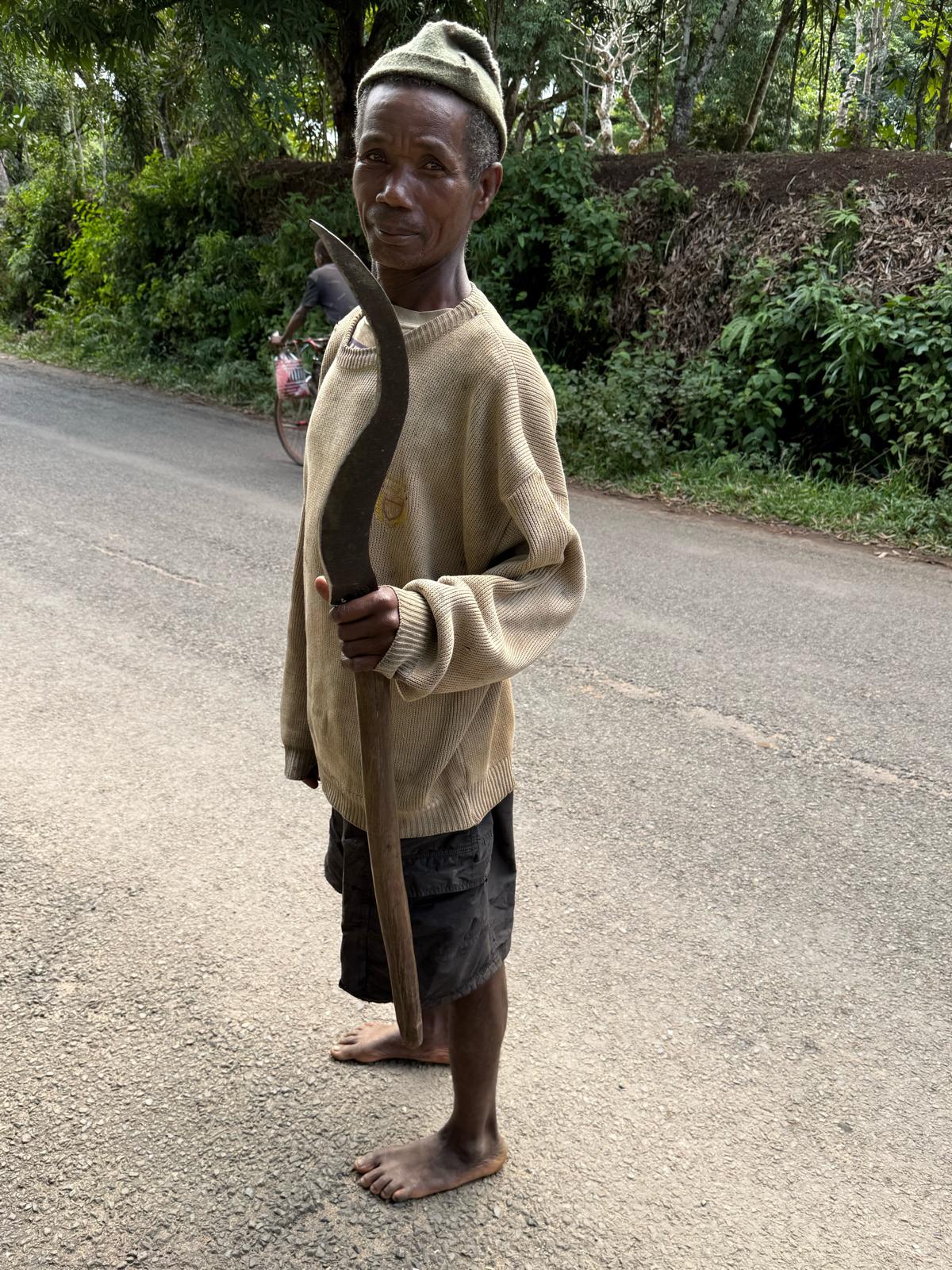
After Fajr salah each morning, I take long walks, limited only by my troublesome sciatic leg. Although Manakara can be hot and humid in the summer, the current winter is pleasantly mild. My route follows the only highway that cuts through the southern part of the country, winding through dense jungle dotted with humble homes belonging to poor farming families.
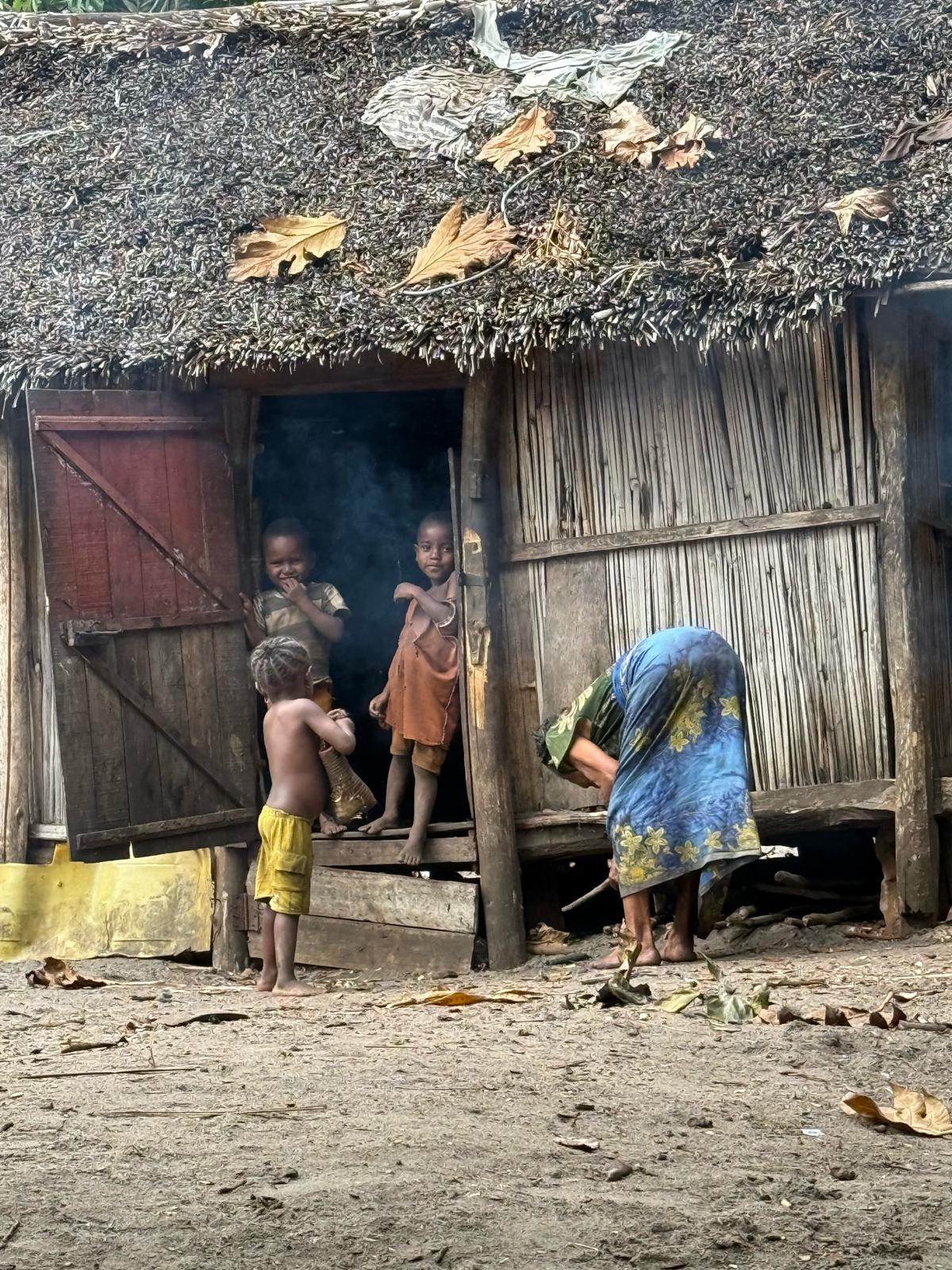
Often, I smell wood smoke from breakfast fires before I even see the huts. Children dressed in tattered clothes call out greetings as I pass. I stop to shake their hands. They do so hesitantly—a lone stranger in Western clothes is not a common sight in these parts.
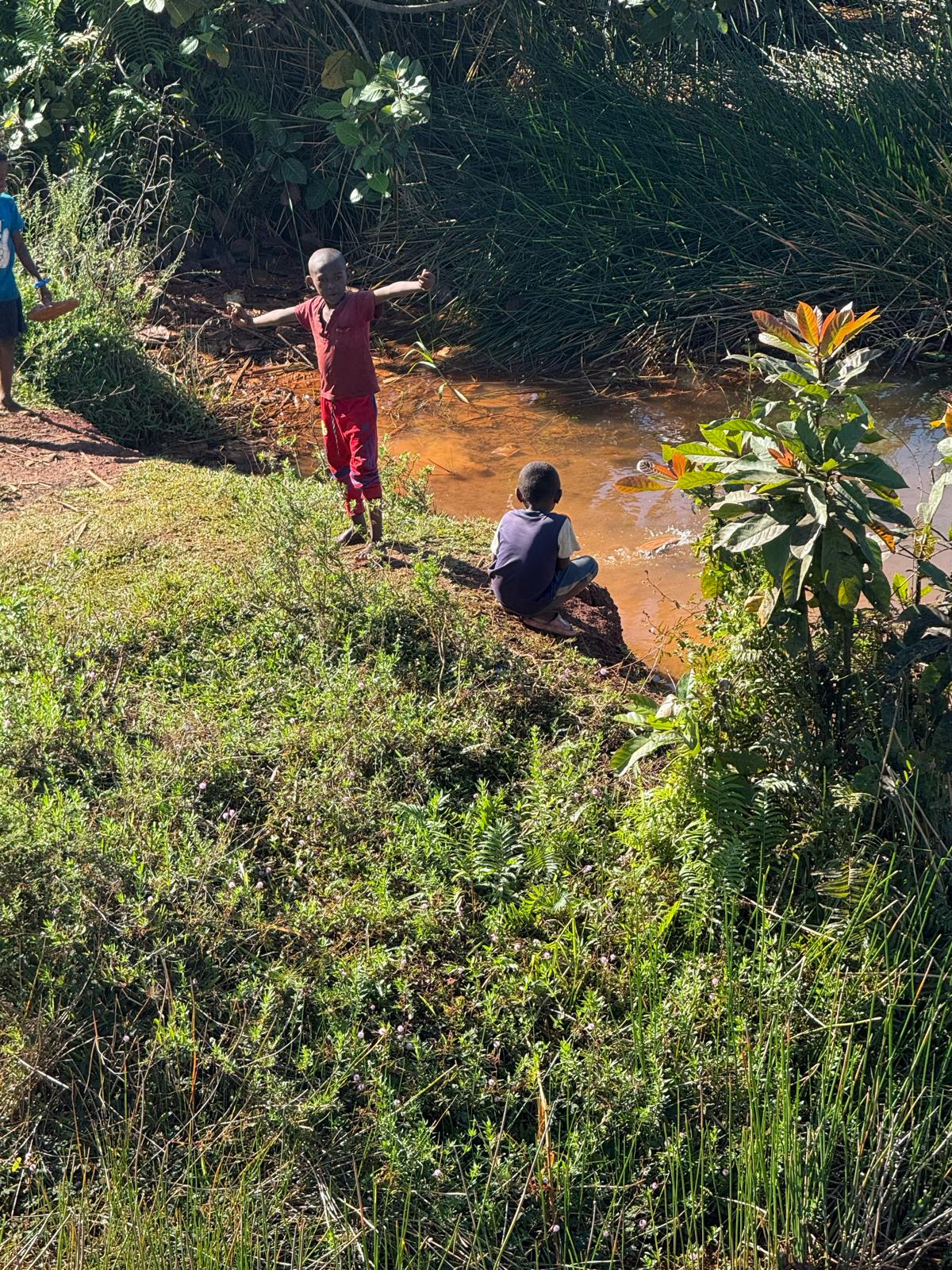
One morning, I come across a group of children splashing and laughing on the banks of a river, completely absorbed in the joy of play. They eagerly pose for photographs, each vying for the best spot in front of the camera. Later, I notice two grimy little boys in scruffy T-shirts sitting beneath the sprawling roots of a massive tree, sharing a single lollipop—one lick each, taking turns. They are so engrossed in their simple pleasure that they barely notice me. My mind drifts back to my childhood in Tanga, Tanzania. I remember doing exactly the same thing with my nephew Mohammed. For a brief moment, I passionately long to be that child again.
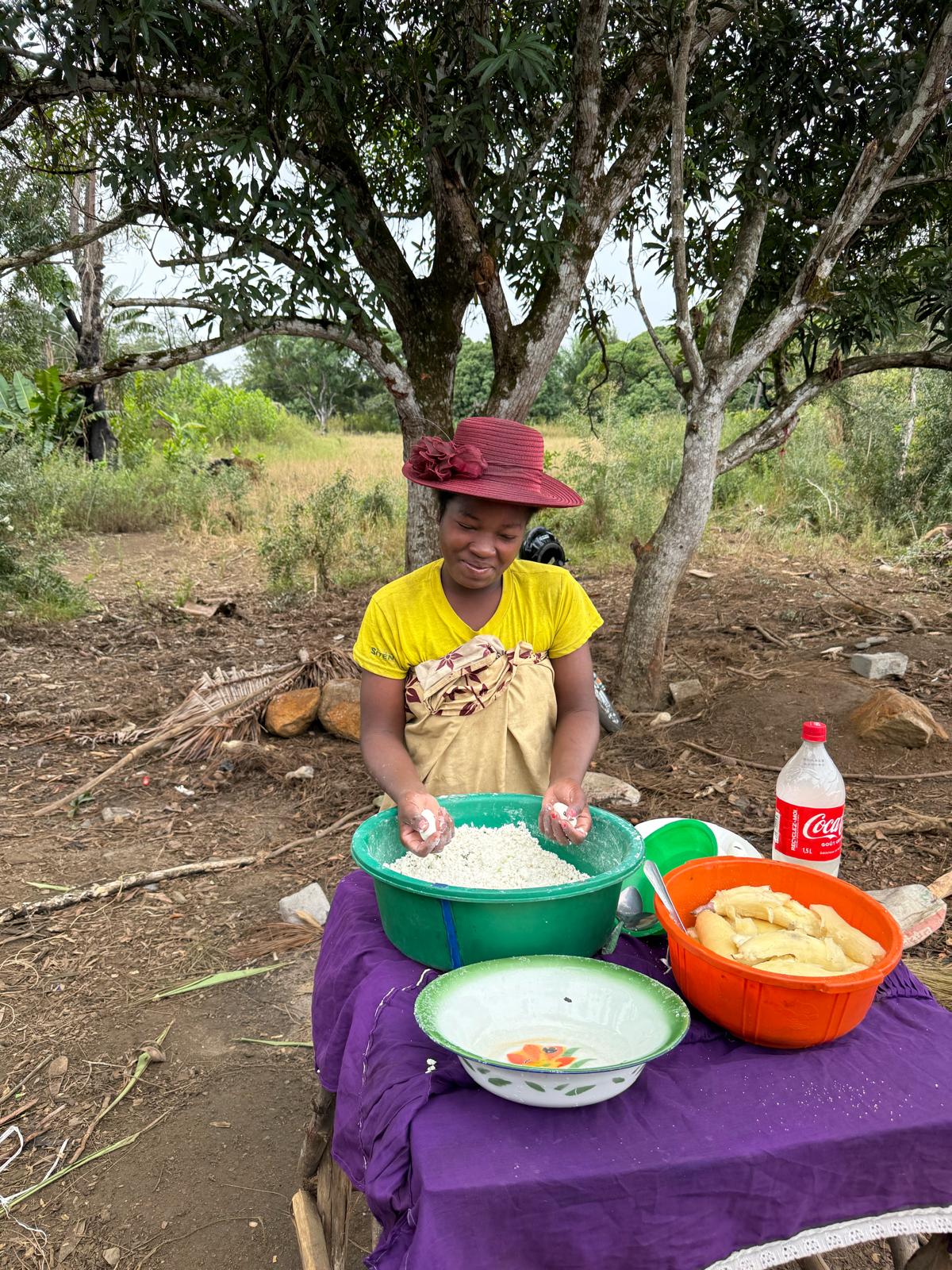
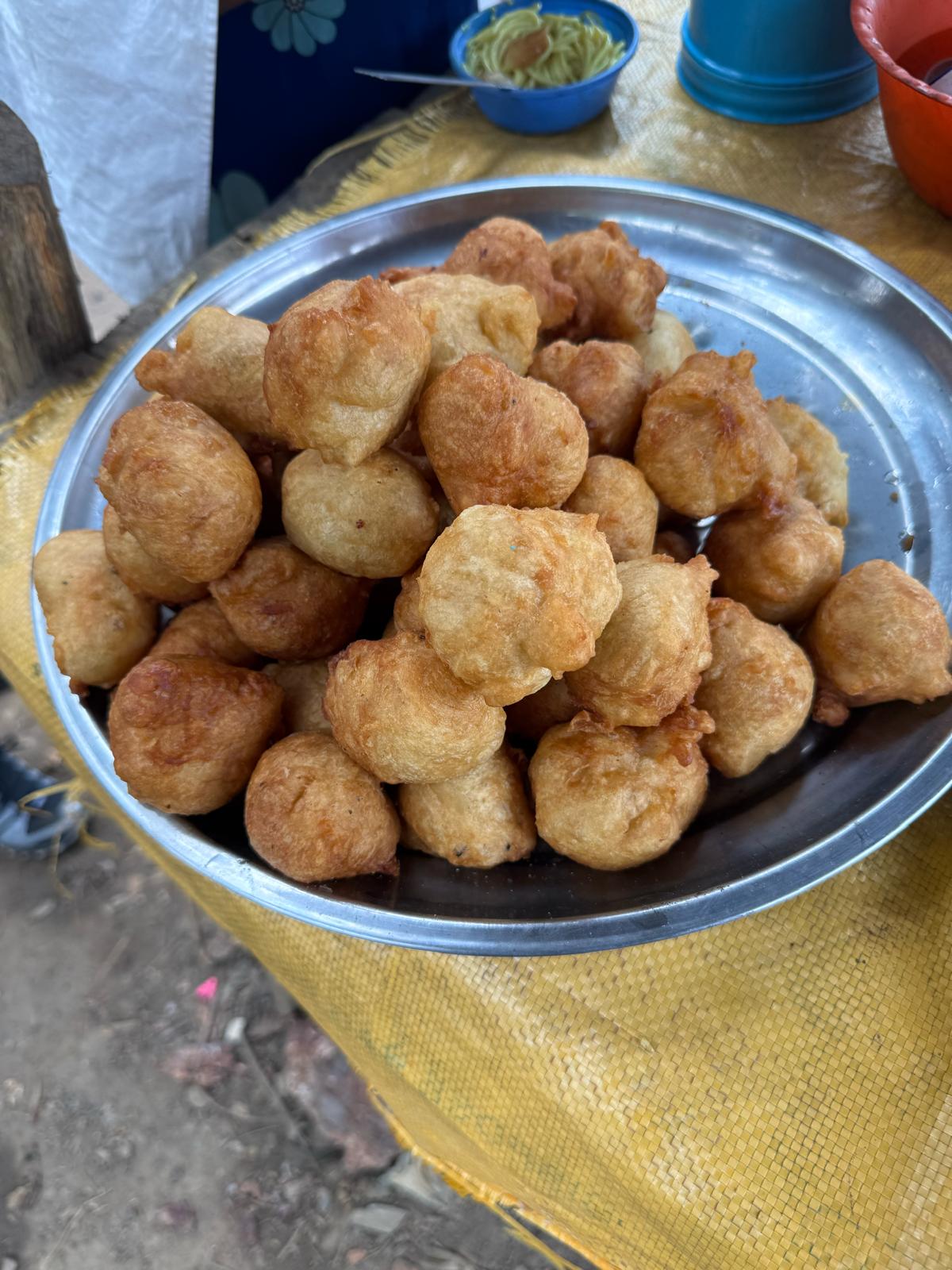
The food in Manakara is almost entirely organic and wonderfully flavorful. I suspect constipation is virtually unknown here. The only exception is the omnipresent French baguette—a lingering legacy of colonial rule. I simply cannot get enough of it, served with nearly every meal.
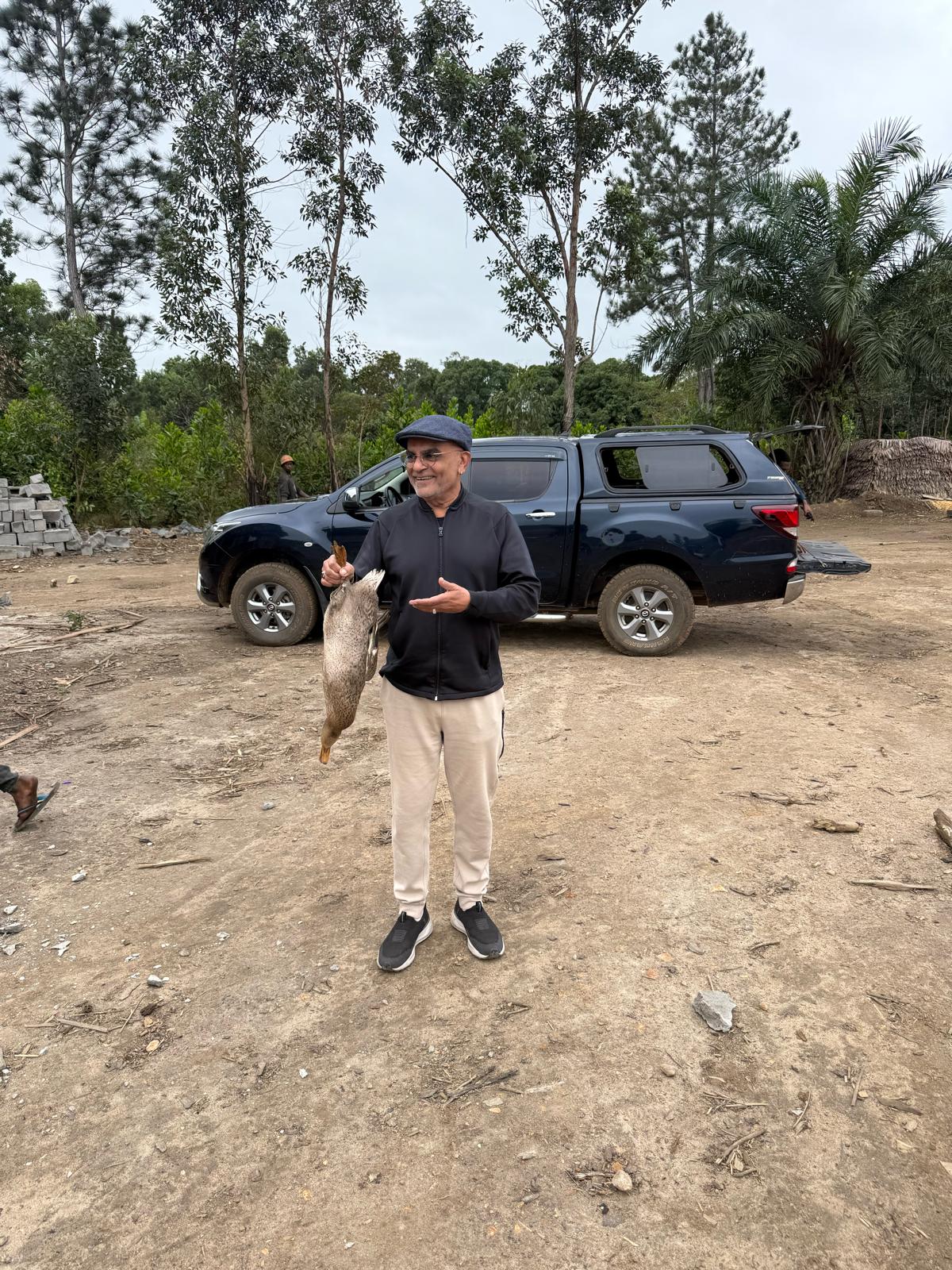
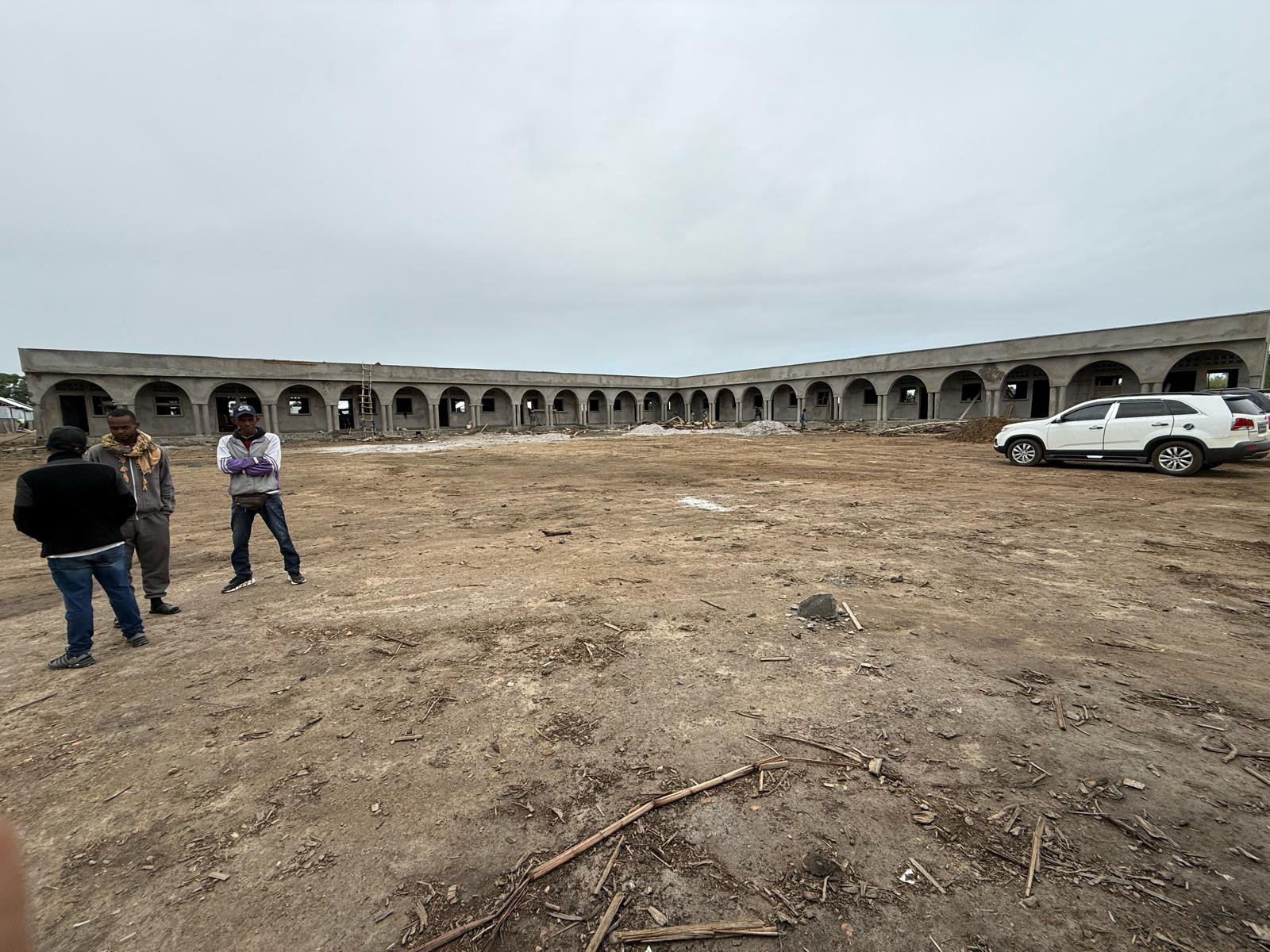
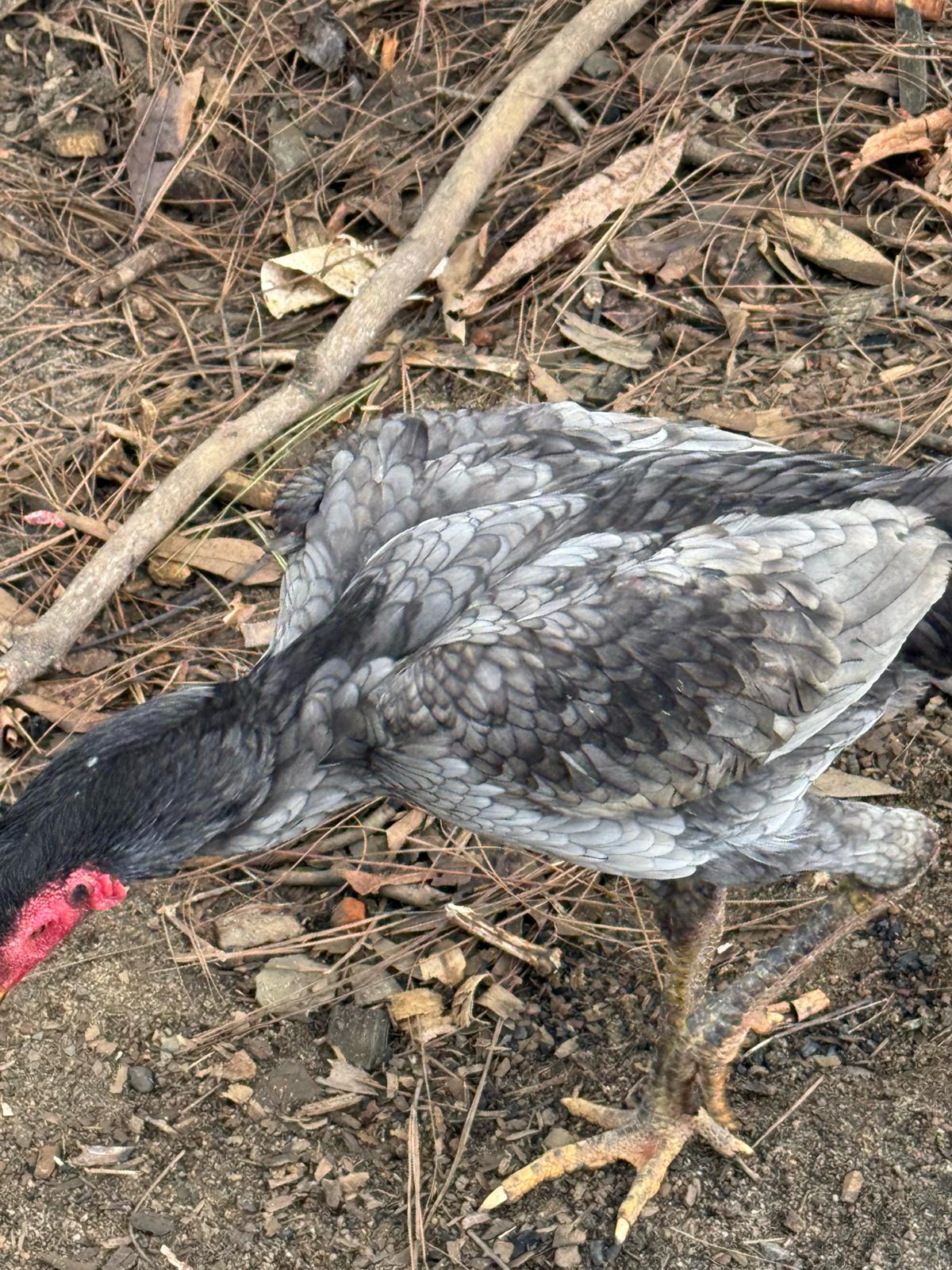
CAI has also begun building another school about 10 miles from the current school, where children were packed into a mud-and-straw classroom. 320 children will start their education in September 2026. Visiting the construction site brings an unexpected reward. Curious about the unusually large ducks and chickens being raised nearby, I ask a local farmer about them. Without hesitation, he catches an unsuspecting duck, ties its legs together, and presents it to me as a gift.
Before long, it is time to return to Antananarivo and then continue on to Dar es Salaam.
As I leave, I reflect on the extraordinary impact of CAI donors. Through the maternity clinic and two schools, they are leaving an enduring footprint in service to humanity—one that will continue to transform lives for generations to come.
Enjoy some photos of my trip below.